On the morning of June 27, 2020, at Da Nang University of Technology, seven leading technical universities in Vietnam, including Hanoi University of Technology; Da Nang University of Technology; Ho Chi Minh City University of Technology; University of Civil Engineering; University of Transport; University of Water Resources; and University of Mining and Geology, jointly announced the development of engineering training programs in specialized professional fields with program standards ensuring equivalence to a master's degree and achieving level 7 according to the Vietnamese National Qualifications Framework.
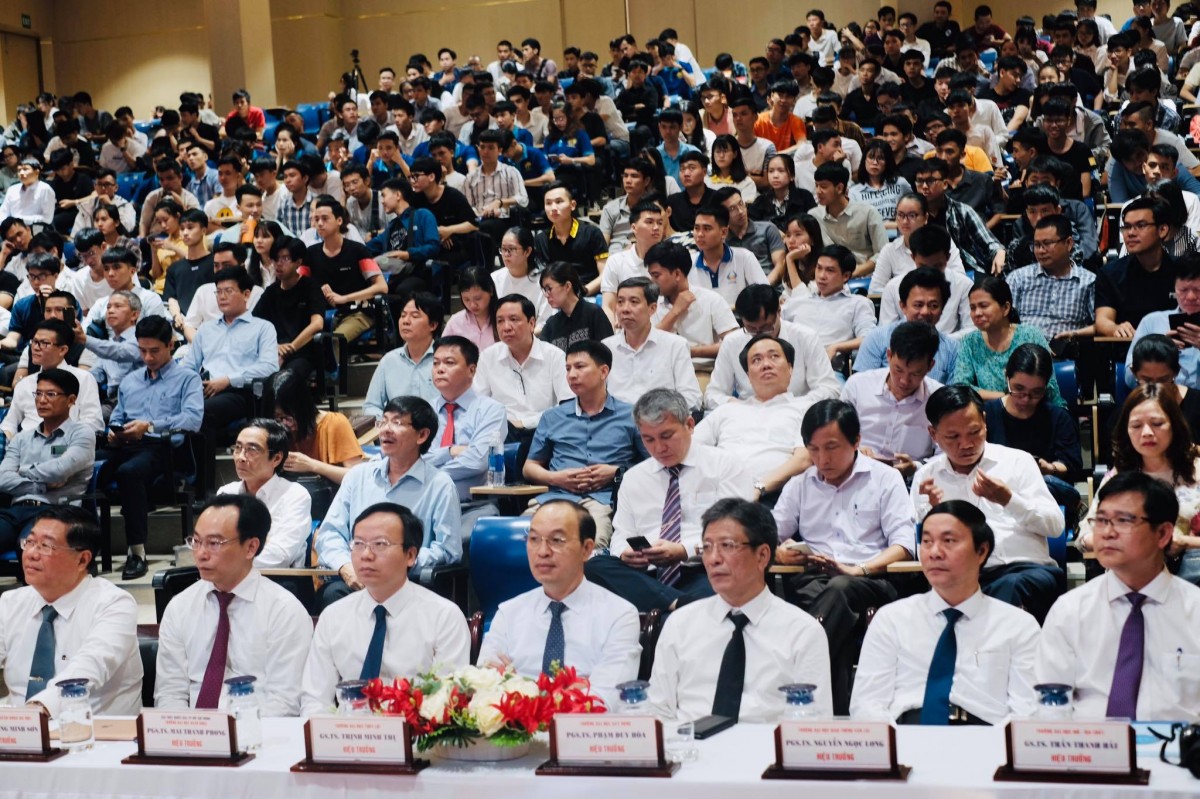
The University of Civil Engineering, along with six leading technical universities in Vietnam, has issued a joint announcement regarding the development of training programs for engineers in specialized professional fields.
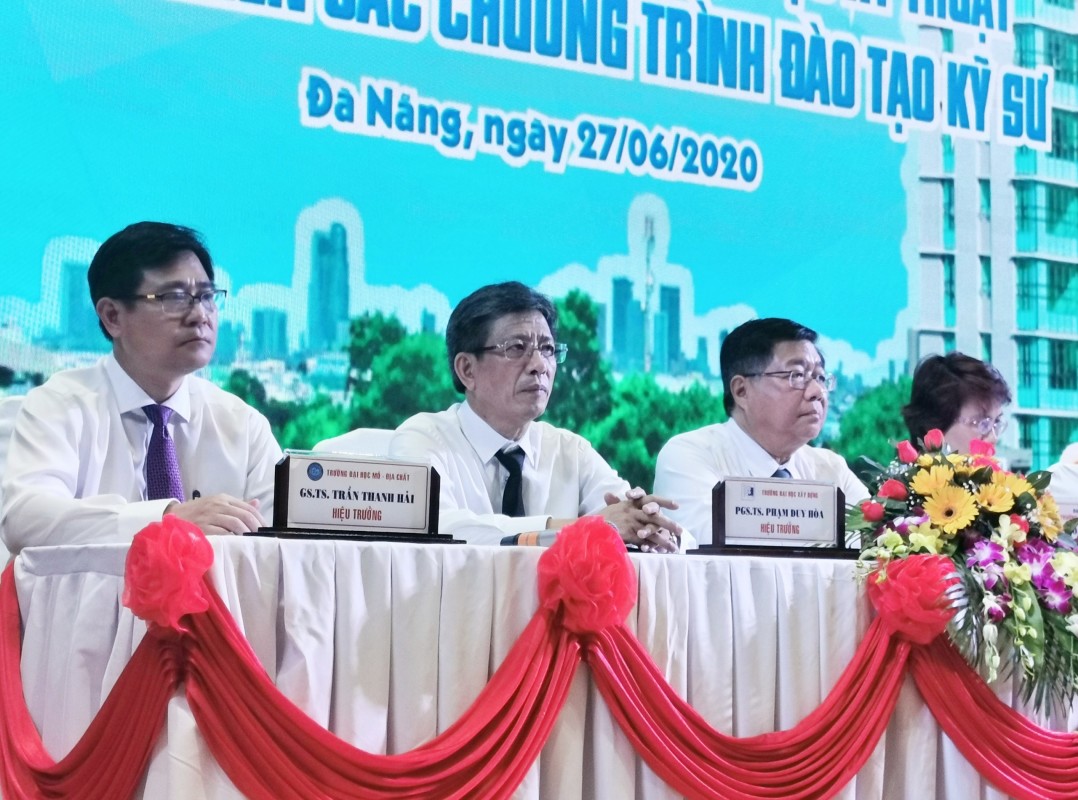
Attending the announcement ceremony were: Prof. Dr. Bui Van Ga - Former Deputy Minister of Education and Training; Assoc. Prof. Dr. Nguyen Thu Thuy - Director of the Department of Higher Education; Assoc. Prof. Dr. Nguyen Ngoc Vu - Director of Da Nang University, along with representatives from the leadership of 7 universities and businesses.
Associate Professor Pham Duy Hoa, Rector of the University of Civil Engineering, stated that this is a pioneering step to improve the quality of training programs and the value of traditional engineering and architecture degrees, meeting societal needs while conforming to international standards and practices. To achieve this goal, a roadmap is needed, along with close collaboration among the universities participating in this joint signing ceremony. Associate Professor Pham Duy Hoa called for the cooperation of all stakeholders, especially state management agencies and businesses.
The universities also strongly reaffirmed their commitment to quality for students, parents, and society as a whole, asserting their prestige and partnership with businesses, and unanimously agreed to continue improving the quality of engineering training programs across all engineering disciplines.
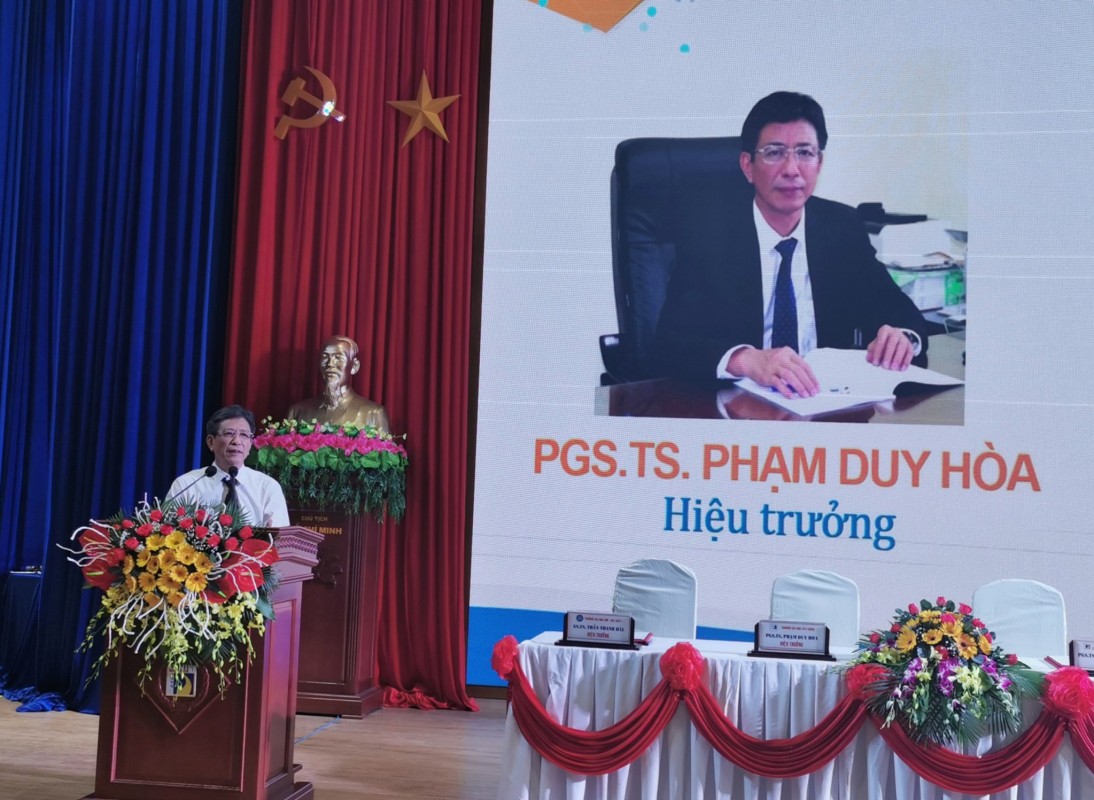
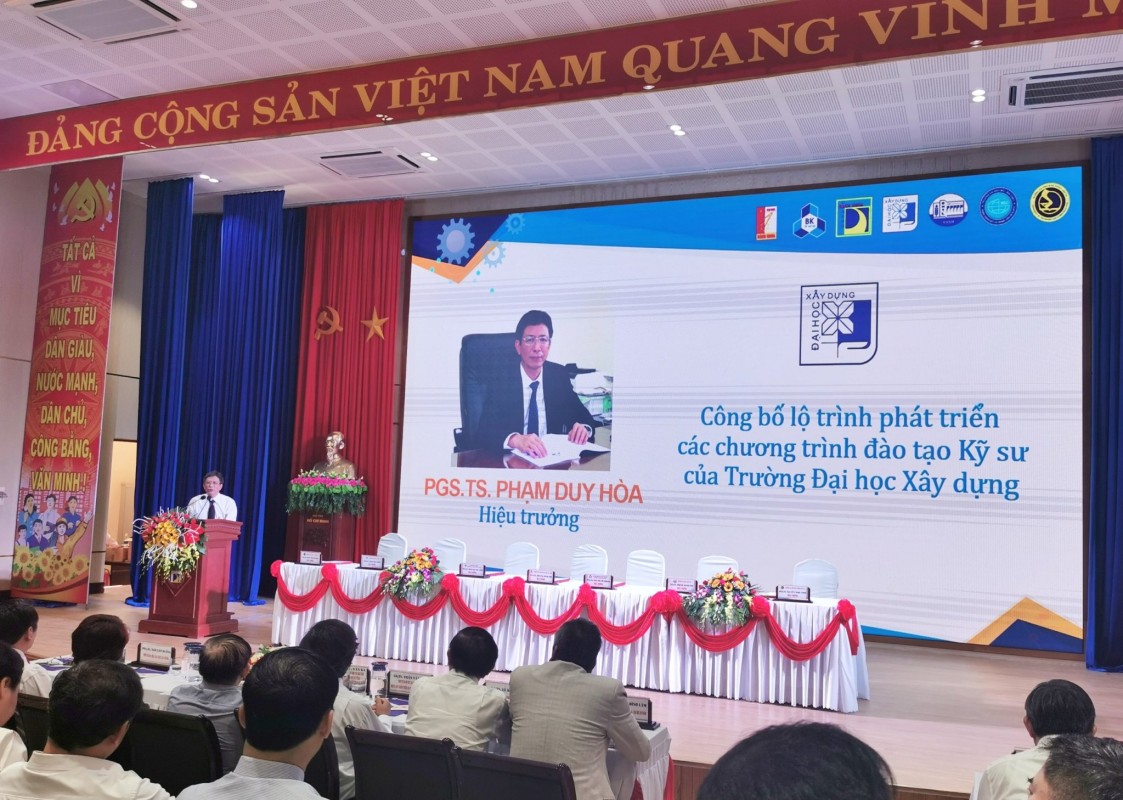
Associate Professor Pham Duy Hoa – Rector of the University of Civil Engineering – announced the content and development roadmap of the University's Engineering training program.
Seven universities have jointly agreed on several principles for developing engineering training programs, such as the number of credits, training models, and common program standards. Specifically, engineering training programs will be developed with a focus on professional specialization, with standardized entry and exit requirements and knowledge volume, ensuring equivalence to a master's degree and achieving level 7 according to the national qualifications framework. The minimum total course load is 180 credits, and the quality of training is standardized, allowing graduates to transfer knowledge between engineering and master's degrees.
Training programs will be organized according to two main models: A model with an integrated bachelor-engineer program for the same field, awarding both a bachelor's and an engineer's degree to graduates (the entire program is designed for a training period of 5 or 5.5 years). And a two-stage training model with two programs, corresponding to the bachelor's and engineer degrees for the same or related fields, awarding bachelor's and engineer's degrees upon completion of each stage.
Depending on the specific characteristics of each school, they will develop and publish appropriate implementation roadmaps. The new training program may also be applied to courses already enrolled, depending on the actual conditions of each school and the aspirations of the students. In addition, schools will collaborate to propose the development of common program standards that align with the Vietnamese National Qualifications Framework.
fpiNnng9VIvYpKz50pANuA2AY6pqPrhcxfmxXik03aMId1Jc%252fqYn8%252fq%252fxf4W lVHMl%252feDuIiZse0F8mo%252bCtT3RMW0d0qBs6z4%252bHIix&fileName=dn_2.jpg" />
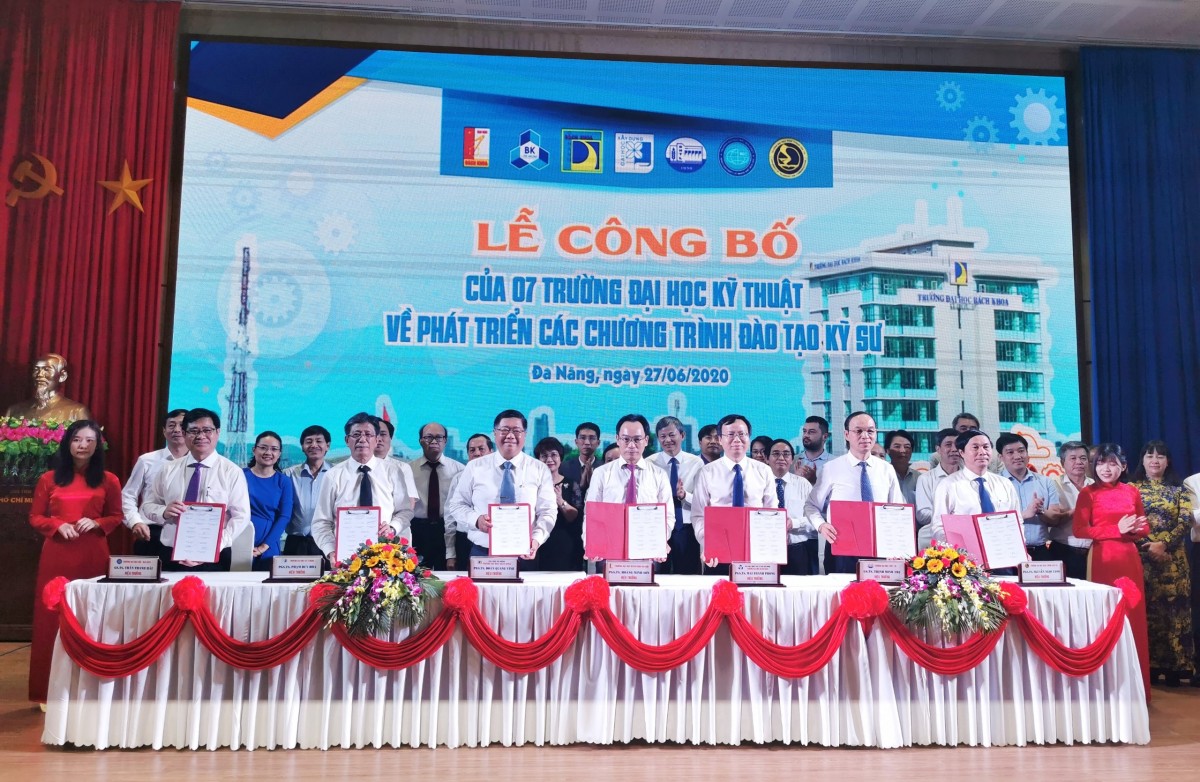
Seven leading technical universities in Vietnam jointly performed the signing ceremony.
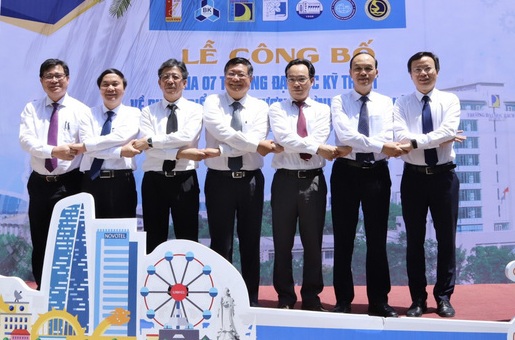
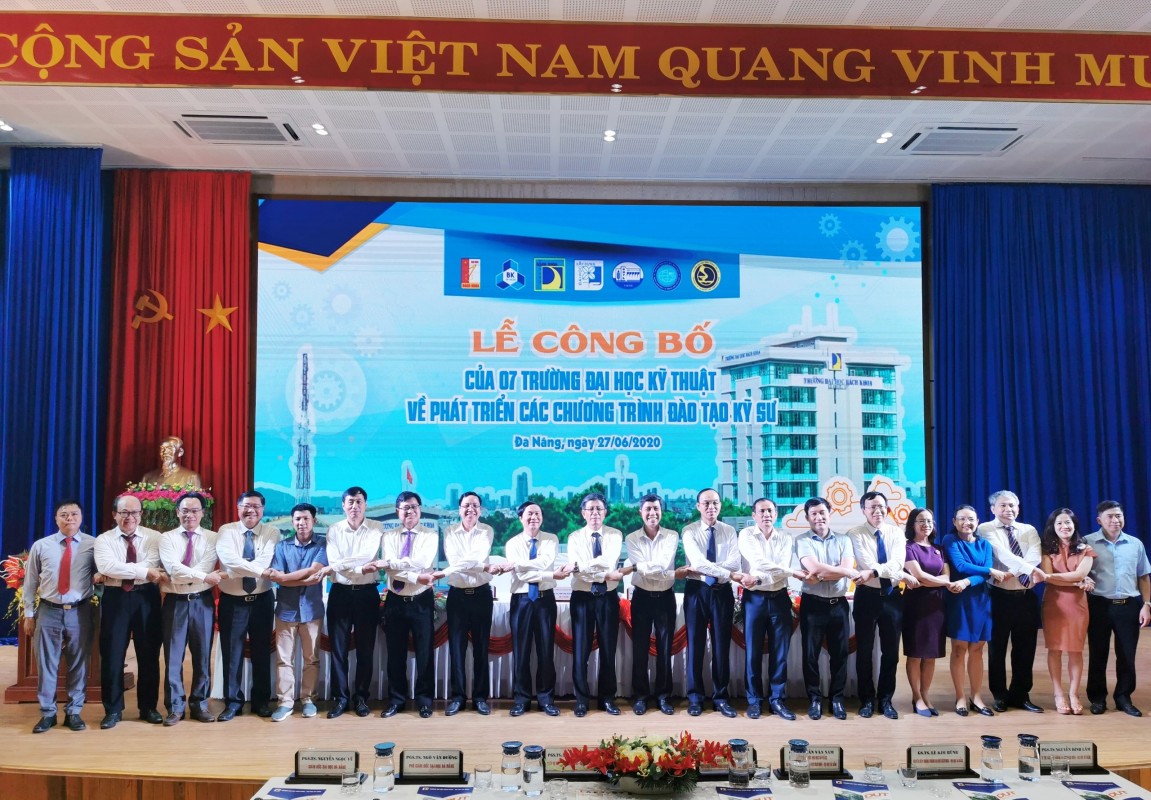
The universities affirm that they will train engineers with a minimum of 180 credits, equivalent to a master's degree.
Speaking at the signing ceremony, Associate Professor Dr. Nguyen Thu Thuy, Acting Director of the Department of Higher Education - Ministry of Education and Training, emphasized, “The Ministry of Education and Training supports the consensus, determination, pioneering spirit, and innovation of the 7 leading technical universities in the country. This event will have a ripple effect and influence on the innovation and development of higher education. The graduates of these universities will not only provide high-quality human resources domestically but also reach out to the region and the world. The announcement by the 7 universities is also consistent with the comprehensive reform policy of education and training, according to the Law amending and supplementing a number of articles of the Law on Higher Education No. 34/2018/QH14 and Decision No. 436/QD-TTg on building the national university qualification framework.”
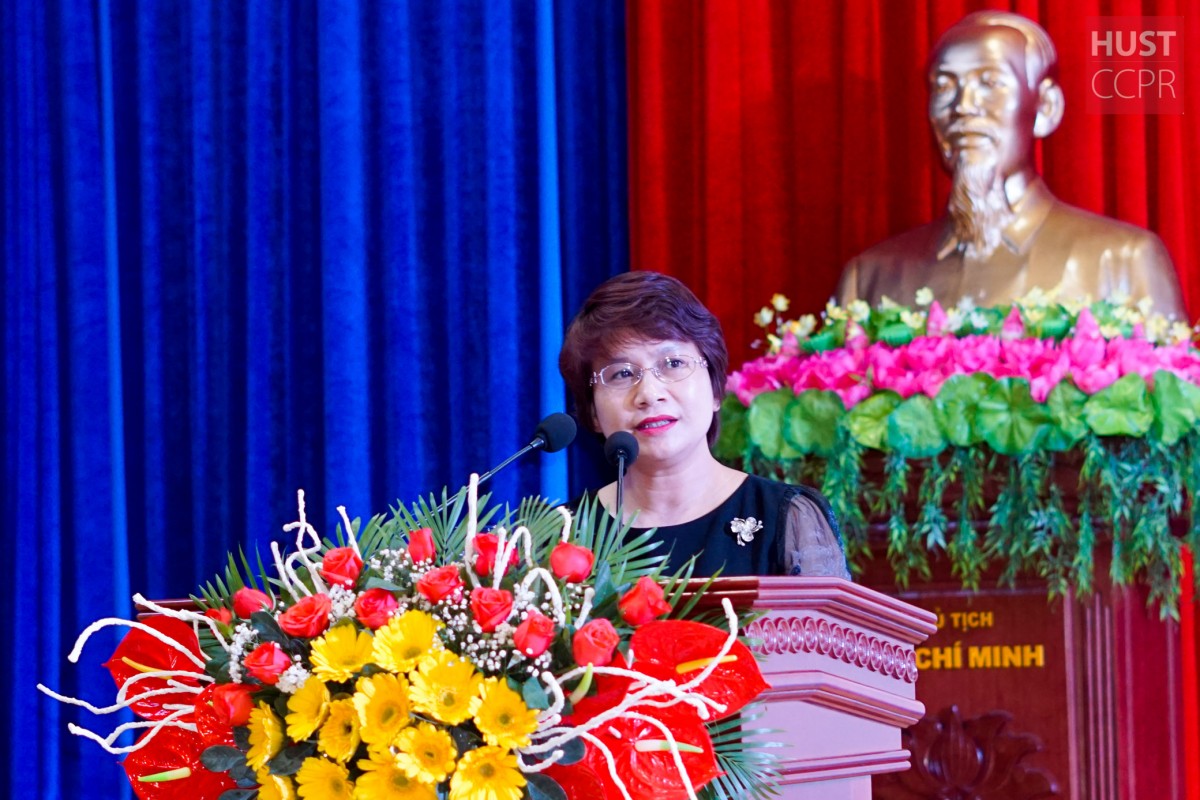
Associate Professor Dr. Nguyen Thu Thuy highly appreciated the networking activities of universities in the engineering field.
In the era of the Fourth Industrial Revolution, this collaboration is essential for students to gain a deeper, broader, and more comprehensive understanding. Standardizing engineering training programs is considered a welcome development for both students and businesses. Many companies expect to recruit high-quality human resources through collaborative training programs among universities in the engineering field.
This is the first step in a pioneering approach to improving the quality of training programs to meet the practical needs of society. Establishing common standards for engineering training programs is not only significant domestically, but is especially important for Vietnam in the current period of international integration, as the value of traditional engineering degrees is standardized and enhanced.
According to nuce.edu.vn