COMPUTER SCIENCE
(7480101)
ADMISSIONS 2026
1. Admission quotas, subject combinations for admission, and admission codes.
Six admission methods. For detailed information, please REFER HERE. |
Admission code | Admission code | Name of major/specialization | Square examination recruitment | Name of the method examination recruitment | Admission combination code | Target |
7480101 | 7480101 | Computer Science | 100 | rmal"> PT1 (High School Graduation Exam Results) | A00, A01, C01, D01, D07, X06, X26 | 120 |
200 | PT2 (Record of Academic Results) | A00, A01, C01, D01, D07, X06, X26 | ||||
402-TSA | PT3 (Assessment of thinking skills_Hanoi University of Science and Technology 2025-2026) | D00 | ||||
402-SPT | PT4 (Competence Assessment_Hanoi University of Education 2026)
| SP1, SP2, SP4 | ||||
417 | e="font-family:Calibri,sans-serif"> PT5 (Computer-based university entrance assessment_National Examination Center 2026) | VS1, VS2, VS4 | ||||
301 | PT6 Direct admission | TT |
- Admission score in 2021: 25 points
- Admission score in 2022: 24.9 points
- Admission score in 2023: 23.91 points
- Admission score in 2024: 24.60 points
- Admission cutoff score in 2025: 25.50 points
2. Introduction to training specialization, training duration, and degree awarded.
2.1. Introduction to the field
Computer Science is one of the important fields of study at universities that offer training in information technology in particular and engineering in general. This is a field of study for young people who are passionate about in-depth research in information technology, meeting the requirements for applying information technology in the Fourth Industrial Revolution.
- The training program is built on the CDIO approach (C - Conceive, D - Design, I - Implement, O - Operate) to train engineers who can master and skillfully apply fundamental knowledge of information technology; core knowledge of Computer Science; in-depth knowledge of data science, computer vision, natural language processing, and artificial intelligence; the ability to conceive, design, implement, and operate advanced information technology products and systems; understand the importance and strategic impact of information technology development in society; and understand the trends and applications of information technology in the Fourth Industrial Revolution.
- The training program is imported from the University of Mississippi (USA) and has been adapted to suit the conditions in Vietnam.
- Students receive in-depth training in Computer Science and do not study subjects related to the Construction field (such as concrete, steel, or drawing). Applicants to the program do not need prior knowledge of programming or computers.
2.2. Training and degree awarding time
- Bachelor's degree (3.5-4 years)
- Engineer (equivalent to a master's degree: 5 ÷ 5.5 years)
3. Knowledge and skills acquired after graduation
3.1. Regarding knowledge
- Basic knowledge of social sciences, economic sciences, and political sciences.
- In-depth knowledge of the analysis, design, implementation, and operation of information systems and software systems with practical value, especially intelligent applications based on data processing, natural language processing, and computer vision.
- Knowledge of collecting, storing, and processing big data to provide effective data-driven solutions for complex real-world applications.
- Knowledge of designing complex computing systems and software of high scientific and technological quality.
3.2. Regarding skills
- Essential skills for researching, developing, and utilizing computing systems in various fields.
- Effective communication skills and teamwork towards common goals.
- Analytical, reasoning, evaluation, and decision-making skills.
- Possesses the ability to manage and organize the implementation of tasks within information technology projects.
- Possesses foreign language proficiency at level 3/6 of the Vietnamese Foreign Language Proficiency Framework.
- Capable of generating ideas, designing ideas, implementing and operating ideas within the context of societal and business needs.
3.3. Regarding autonomy and responsibility
- Work independently or in teams under changing work conditions, taking personal and team responsibility.
- Instruct and supervise others in performing specific tasks.
- Self-directed, able to draw professional conclusions and defend personal viewpoints.
- Planning, coordinating, managing resources, evaluating, and improving the effectiveness of activities.
4. Scholarship and academic support opportunities
- Support for tuition fee reductions or waivers for foreign language (English, Japanese), programming, and data science courses at partner institutions in the industry.
- After two years of study at the University of Civil Engineering, if students wish and meet the financial and academic requirements, they can transfer to the University of Mississippi (USA) for the final two years. Upon completion of the course, students will receive a degree from the University of Mississippi.
- It is possible to pursue a double degree or a second degree in other fields or specializations at the school.
- Free participation in joint courses taught by partner businesses of the Faculty of Information Technology.
- Opportunity to visit and attend academic seminars and practical internships at partner businesses of the Faculty of Information Technology.
5. Job opportunities: After graduation, Computer Science engineers can work in positions such as:
- Research and development specialist in market pricing technology c. Computers; human-computer interaction; natural language processing as a knowledge technology.
- Programmer, research and development engineer for computer science and information technology applications.
- Specialists in collecting, storing, analyzing, and processing data using computer systems, and researching and applying artificial intelligence.
- Information systems specialist, IT solution design and implementation engineer for information and communication technology companies;
- Software analysts, designers, development engineers, software development and deployment specialists in software companies;
- Specialist in consulting, designing, and managing network systems and software systems for organizations and businesses;
- Technical specialists in units involved in the operation, development, and application of information technology in agencies, organizations, businesses, and schools.
- IT project management specialists in agencies, organizations, businesses... across various industries, sectors, and economic components.
- Lecturers and researchers in Computer Science and Information Technology at universities, institutes, and research centers.
- IT/information technology specialists in government agencies.
6. Postgraduate study opportunities: There are many opportunities for advanced studies at the master's and doctoral levels in Computer Science and Information Technology both domestically and internationally.
7. Contact:
- Faculty of Information Technology
- Address: Room P410, Building A1 - Hanoi University of Civil Engineering.
- Hotline: 0979 311 424
- Email: congnghethongtin@huce.edu.vn
- Website: fit.huce.edu.vn
- Fanpage (Students can inbox and receive direct admissions advice from faculty members of the department): https://www.facebook.com/cnttdhxd
- In-person Admissions Counseling (answering questions about quotas, minimum scores, cutoff scores, tuition fees, etc.). Click on the icon you want to receive counseling from:
- Consultation via Facebook Messenger:

- Consultation via AI chatbot virtual assistant

- Consultation via Facebook Messenger:
- Or contact directly:
- Dr. Le Thi Thuy Duong: 0904 310 277
- Assoc. Prof. Dr. Pham Duc Thoan: 0985 130 218
- Dr. Hoang Nam Thang: 0912 987 567
See also other majors in the Faculty of Information Technology.
- Information Technology
- Multimedia Technology major
- Civil Engineering major, specializing in Construction Informatics.
- Information Security (New) Major
- Data Science (New)
SOME PICTURES OF ACTIVITIES
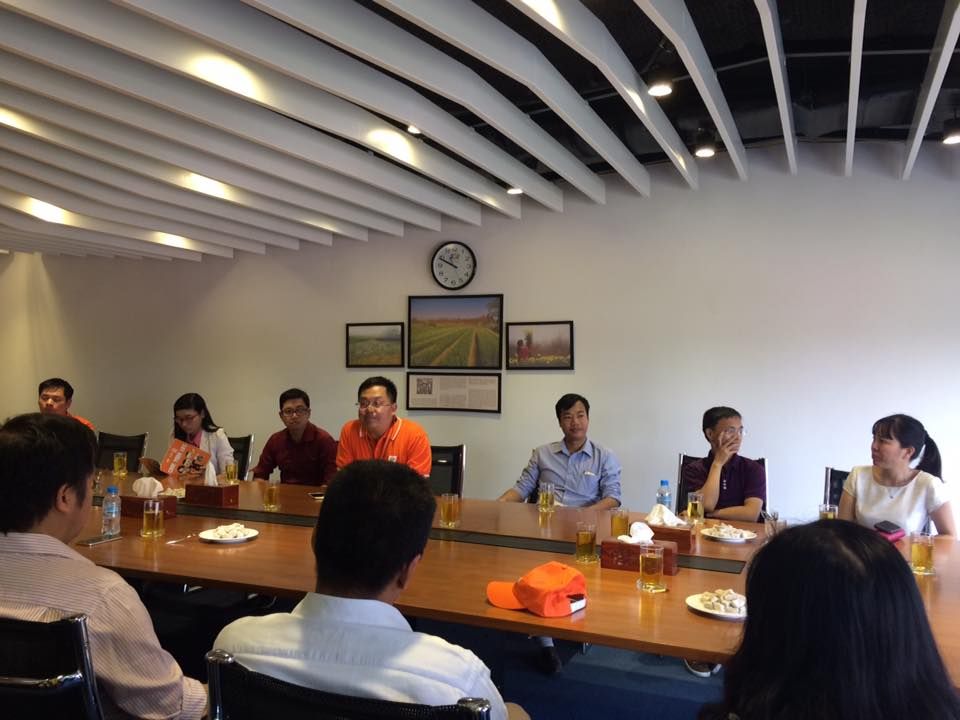
Collaboration with businesses
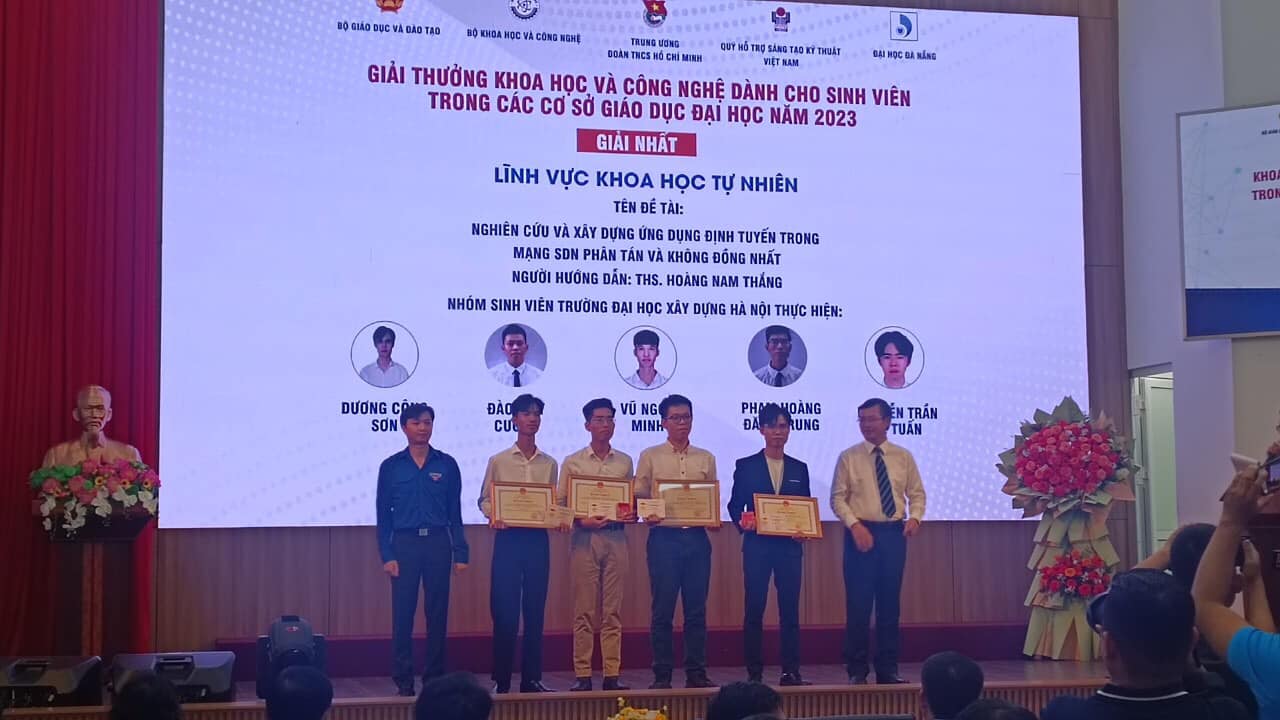
Student scientific research
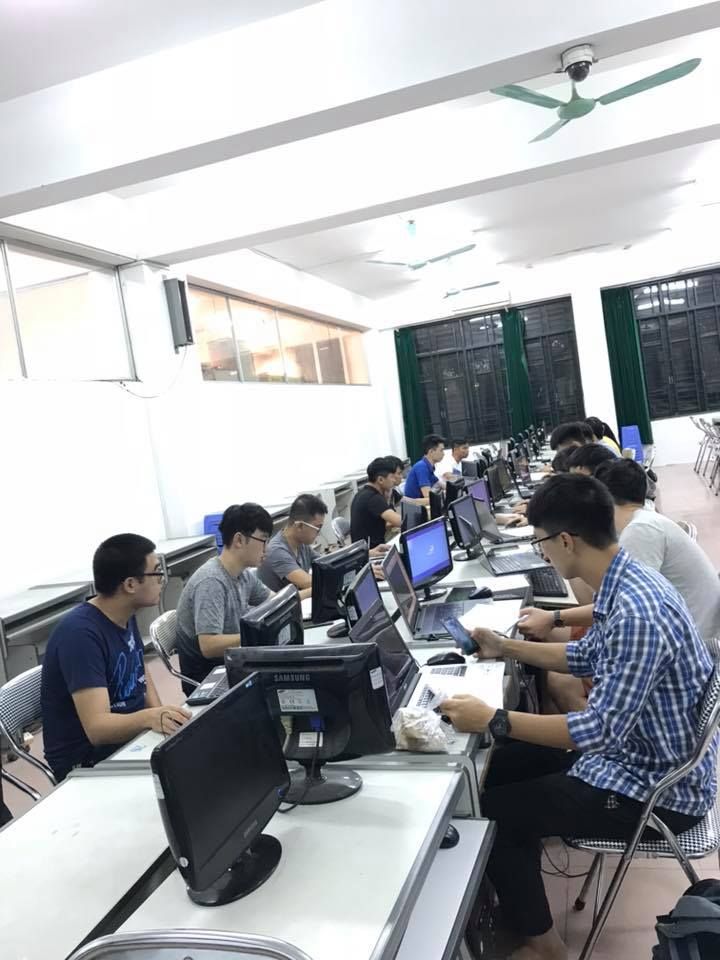
Students practice in the lab.
fob1KLFOJJlB%252fGXVqP4UQVlN2yZBGfVZz9rw03buzCmEjrPkaAywU5kFqzwhPYiWojEXIpsDgzh SZs%252f1vAH%252b1q5D2hMYj8MZMlb0vNhCYAWAjQu9TB1bdfq7zqMLJJ%252ffKJoZ7tv5m33%252 b6Ysbdb%252fPRD6DvanBJY61dxT5OxvsGi8PiR9WSOOKx7BoMdOh6Vwt9BGHTskB9nTtLCCedl4MX8 L7u%252bX2IOze%252fQxpTo3vmkmtpTYz6cT7xhTjrwnqMfZ7g20nflw4%252f4JZF59MZ8nTZ%252b Po3W9BBvI2f20Dux8IxhSRtk64DK2BEawKSwSpnf9ANBg%252fLVMBzB4dHHeHWq0HlW5AXmVMKWqZS o1EMxvDHQy6kALBy3Z6f4SZbNEBMB5VbLNPguLHf4Rw1ysy0B24WEec1HdcimClmvTSw9Sobcyg4llvz 3XGB9RG7Mt3VOoZZ77hKGTrHwgR1TYiveie6r1%252bvuiYx07m1K0x%252bGSzaARO%252fPOuJ4kxk keKTj0EhNl5cU6FSqcnoPPscu8B2qJEw%253d%253d&fileName=tham%20quan%20tai%20dn.jpeg" width="780" />
Students participate in field trips to businesses.
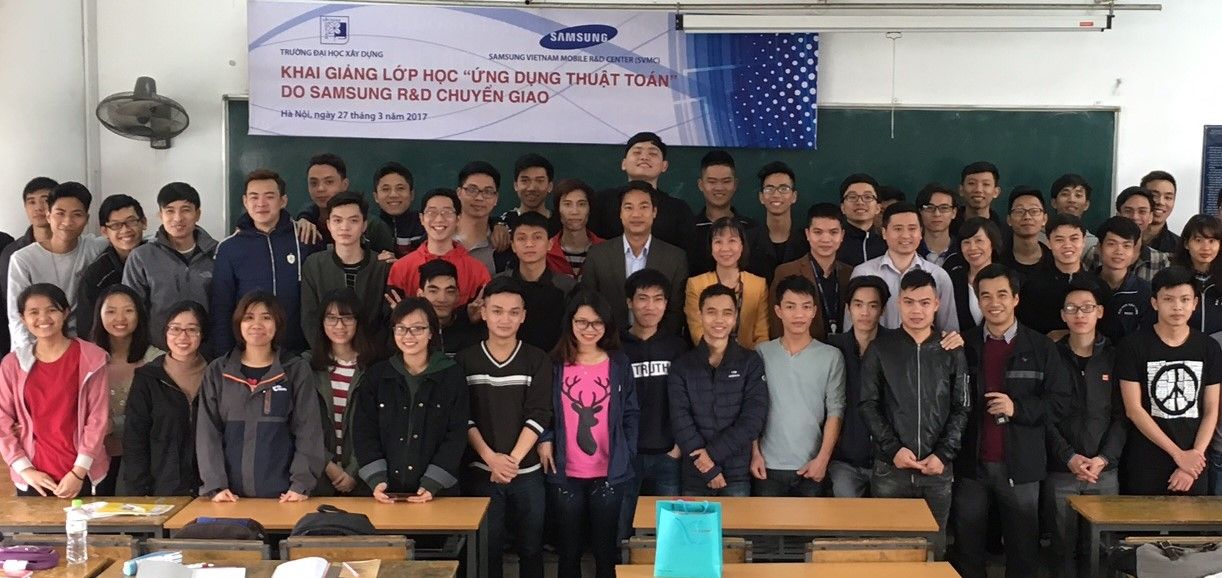
 Career orientation workshop
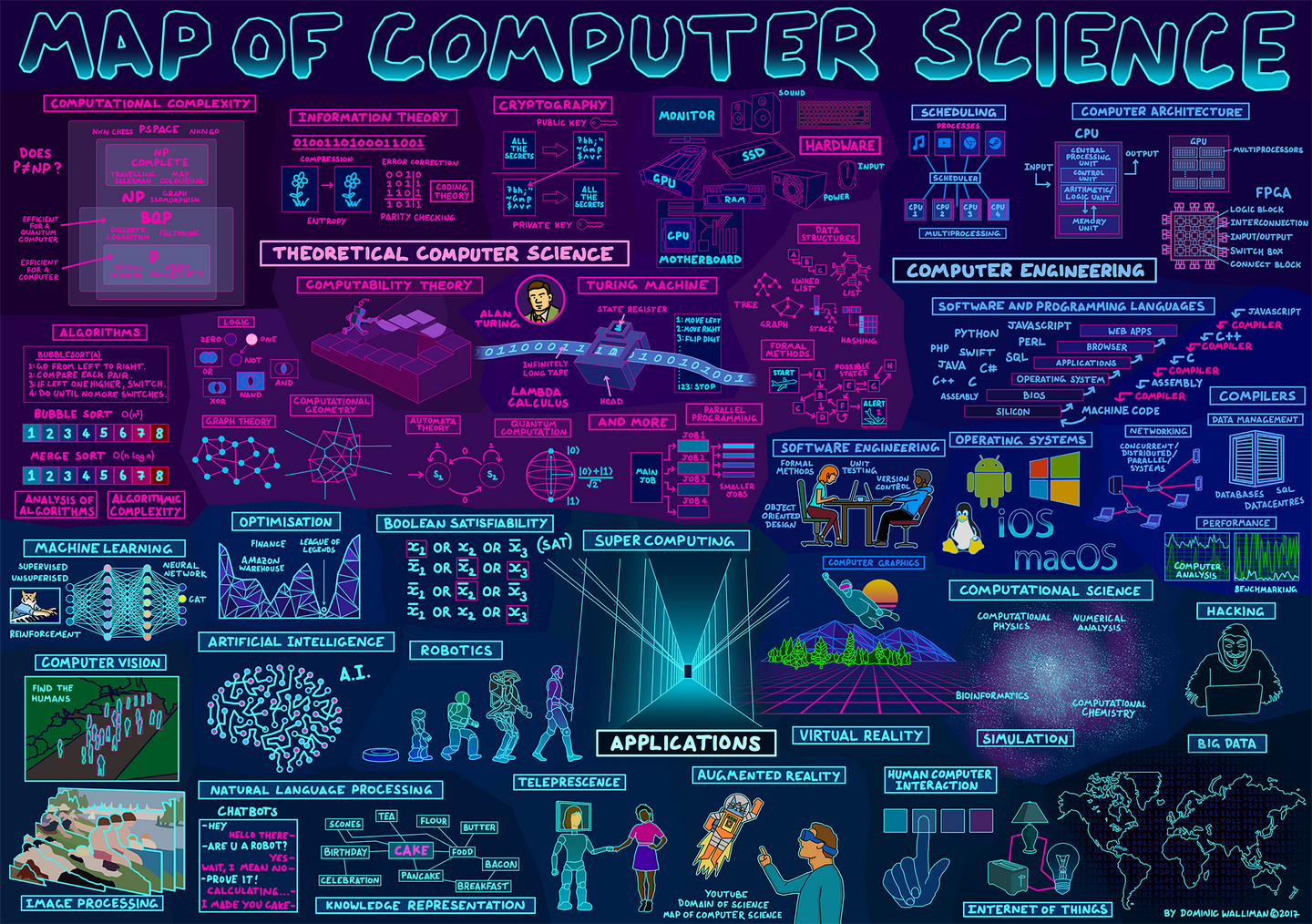
 An overall picture of the field of Computer Science